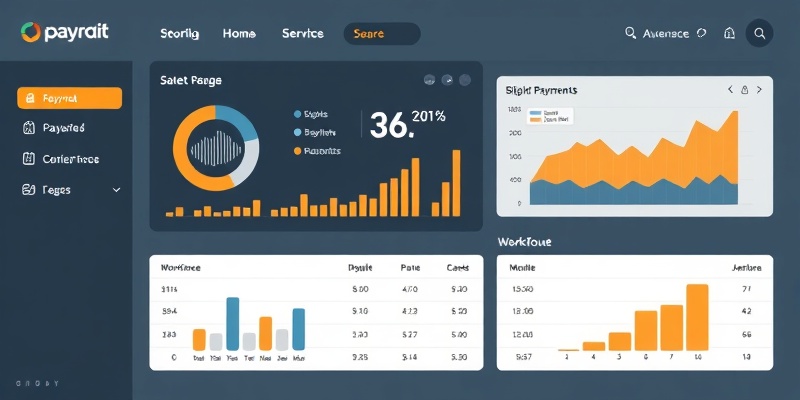
Payroll automation has transitioned from a luxury to a business necessity. In today's complex regulatory environment, with multiple tax jurisdictions, varying benefit structures, and changing compliance requirements, manual payroll processing is not only inefficient but also high-risk. The benefits of payroll automation are substantial and well-documented. Organizations that implement comprehensive payroll automation solutions typically experience 40-60% reduction in payroll processing time, 30-40% reduction in payroll-related errors, and significantly improved compliance. The average cost of a single payroll error in a medium-sized organization can exceed $1,000 when accounting for correction time, potential penalties, and employee dissatisfaction. Successful payroll automation implementation requires a strategic approach. First, organizations must conduct a thorough assessment of their current payroll processes, including all manual touchpoints, integrations, and compliance requirements. This baseline understanding is essential for selecting the right solution and planning the implementation timeline. Data migration is often the most critical and time-consuming phase of payroll implementation. Accurate historical data is essential for compliance purposes and for establishing the correct starting point for future payroll calculations. Many organizations underestimate the effort required for data cleansing, mapping, and validation. Dedicating sufficient resources to this phase—often 20-30% of the total implementation effort—can prevent significant issues later. Integration with other HR and financial systems is crucial. Modern payroll automation solutions should seamlessly integrate with HR information systems, time and attendance tracking, benefits administration, and general ledger systems. These integrations eliminate manual data entry, reduce errors, and enable real-time reporting across the organization. Training and change management are often overlooked but are critical success factors. Employees, managers, and HR staff all need to understand the new processes and systems. Many organizations find that investing in comprehensive training reduces post-implementation support requests by 50-60%. Looking at compliance, payroll automation helps organizations stay current with changing tax laws and regulations. Many solutions automatically update tax tables, payroll rules, and compliance requirements, reducing the burden on HR and Finance teams. Common implementation pitfalls include underestimating the complexity of existing processes, insufficient stakeholder engagement, inadequate testing, and poor change management. Organizations that carefully address each of these areas typically achieve payroll automation implementations that exceed their ROI targets by 20-30% in the first year alone.
Key Takeaways
- • Industry trends are shifting towards AI-powered solutions in HCM
- • Organizations are prioritizing employee experience and data-driven decision making
- • Integration and interoperability have become critical success factors
The landscape continues to evolve rapidly, presenting both challenges and opportunities for HR professionals and organizations looking to stay competitive in the modern workforce.
Discussion (18 Comments)
VP of HR, TechCorp • Feb 15, 2025
Excellent breakdown. We just completed a Workday implementation and the lessons here aligned perfectly with our experience. The business process redesign phase was indeed underestimated by about 35%, but it really paid off in terms of system optimization.
HR Manager, Global Manufacturing • Feb 14, 2025
The pay equity audit section is critical. We discovered an 8% gap that we've been systematically correcting. Transparency with our workforce about this issue actually improved trust. More companies should be proactive about this.
Director of Talent, Financial Services • Feb 13, 2025
Totally agree with the emphasis on skills-based hiring. We've been moving toward this model for the past 18 months and our quality of hire has improved significantly. The challenge is getting legacy hiring managers to shift mindset.
CHRO, Healthcare System • Feb 12, 2025
The point about internal mobility pipelines resonates strongly. In healthcare, we have high turnover in certain roles. By focusing on career development pathways and promoting from within, we've reduced turnover in management roles by 18% YoY.
Payroll Manager, Retail • Feb 11, 2025
Payroll automation has been a game-changer for our 5,000+ employee organization. Going from manual payroll to automated processing freed up 25+ hours per pay cycle. The initial implementation was complex, but absolutely worth it.
Learning & Development Manager • Feb 10, 2025
The learning culture section is spot-on. We implemented mentoring programs and the impact has been remarkable. Employees with mentors are 3x more likely to get promoted. It's not expensive, just requires intentionality.
Leave a Comment